The Enduring Appeal of Cast Iron in Sustainable Agriculture
Cast iron cookware: a seemingly simple tool with surprisingly profound implications for sustainable agriculture. While its durability is well-known, the full extent of its environmental impact and its role in reducing food waste within farm-to-table initiatives remains largely unexplored. This article delves into the potential of Tractor Supply's cast iron cookware as a key component of a more sustainable food system. Learn more about Tractor Supply's cast iron options here.
The Incredible Durability of Cast Iron: A Legacy in the Kitchen
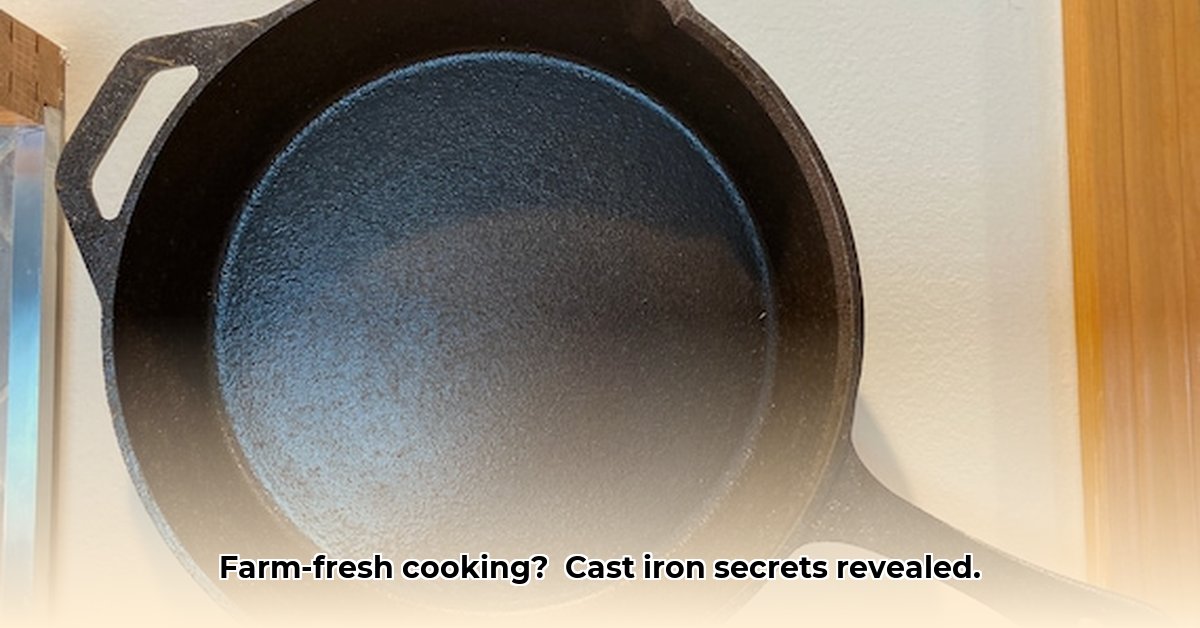
Forget disposable cookware. Tractor Supply's cast iron pieces are built to last, offering decades, even generations, of reliable service. Unlike non-stick alternatives often discarded after a few years, a well-maintained cast iron skillet represents a long-term investment, significantly reducing landfill waste. This longevity is particularly valuable in demanding farm settings where cookware faces daily, often harsh, conditions. The heavy-duty construction of cast iron ensures it endures the rigors of farm life far better than lighter-weight alternatives. Isn't the reduced need for replacements a considerable advantage for sustainability?
Sustainability Aspects: A Critical Examination
While cast iron production involves mining iron ore and energy consumption, its extended lifespan significantly mitigates the initial environmental impact. However, comprehensive life cycle assessments comparing its environmental footprint to other materials like stainless steel or aluminum are needed. Some preliminary studies suggest cast iron's longevity could make it a more environmentally sound option in the long run, but rigorous data is crucial to solidify this claim. Ongoing research is essential, and the complete sustainability picture will become clearer as we accumulate more detailed evidence.
Cast Iron's Role in Sustainable Agriculture: From Farm to Table and Beyond
Cast iron's exceptional heat retention and even cooking make it ideal for farm-to-table initiatives and community kitchens supporting farmworkers. The efficient cooking minimizes energy consumption and food waste. This durability leads to fewer replacements, further enhancing its sustainability credentials. In community settings, its robust design translates to consistent performance, reducing downtime and promoting cost-effectiveness. Isn't consistency key to successful food production?
Challenges and Limitations: A Balanced Perspective
Cast iron cookware's weight and maintenance requirements are undeniable limitations. Its hefty weight can be a challenge, especially for those with mobility issues. Regular seasoning and cleaning are essential to prevent rust and maintain its non-stick properties. However, these are manageable aspects, and the long-term benefits significantly outweigh the initial effort. Think of it as a commitment – one which yields substantial environmental and economic rewards. The rewards of minimized waste and extended lifespan justify the maintenance.
Future Research and Recommendations: A Path Forward
Further research on cast iron's life-cycle assessment, sustainable iron ore sourcing, and its practical applications in diverse agricultural settings is paramount. This includes detailed comparative studies against other cookware materials, considering both environmental and economic factors. What specific research initiatives could best inform future sustainable practices? Further studies could evaluate the economic benefits of using cast iron in farm settings, including reduced replacement costs and improved food preservation. This will significantly improve the argument for greater adoption of cast iron.
Conclusion: Embracing Sustainable Practices, One Pan at a Time
Tractor Supply's cast iron cookware offers a compelling case for sustainability in agriculture. While more research is necessary to fully quantify its environmental benefits, its exceptional durability and longevity significantly reduce waste and promote efficiency. By choosing durable, repairable cookware, we can collectively make informed choices contributing to a more environmentally responsible food system. The long-term benefits of sustainable solutions often outweigh initial investment costs; by investing in cast iron, we're investing in a more sustainable tomorrow.